AddressRR TOWERS, 102 6TH MAIN, Hosur Rd, Bommanahalli, Bengaluru, Karnataka 560068.
Work Hours
Monday to Friday: 7AM - 7PM
Weekend: 10AM - 5PM

Space planning and zoning play a crucial role in designing efficient, functional, and well-organized institute interiors. As an Institute Interior Designer in Bangalore, we create layouts that maximize space utilization while ensuring a comfortable and productive learning environment.
Our design approach focuses on strategically dividing the space into essential zones such as reception areas, classrooms, training labs, faculty rooms, waiting lounges, and storage areas. This structured planning ensures smooth movement, better accessibility, and an organized workflow for both students and staff.
As the Best Institute Interior Designer in Bangalore, we design interiors that align with institutional needs while maintaining a clean, professional, and inspiring atmosphere. Every layout is planned with proper circulation, ergonomic design, and efficient space optimization to support daily academic activities.
Each space is thoughtfully designed to balance functionality with aesthetics, creating an environment that enhances focus, improves user experience, and supports effective learning and operations.
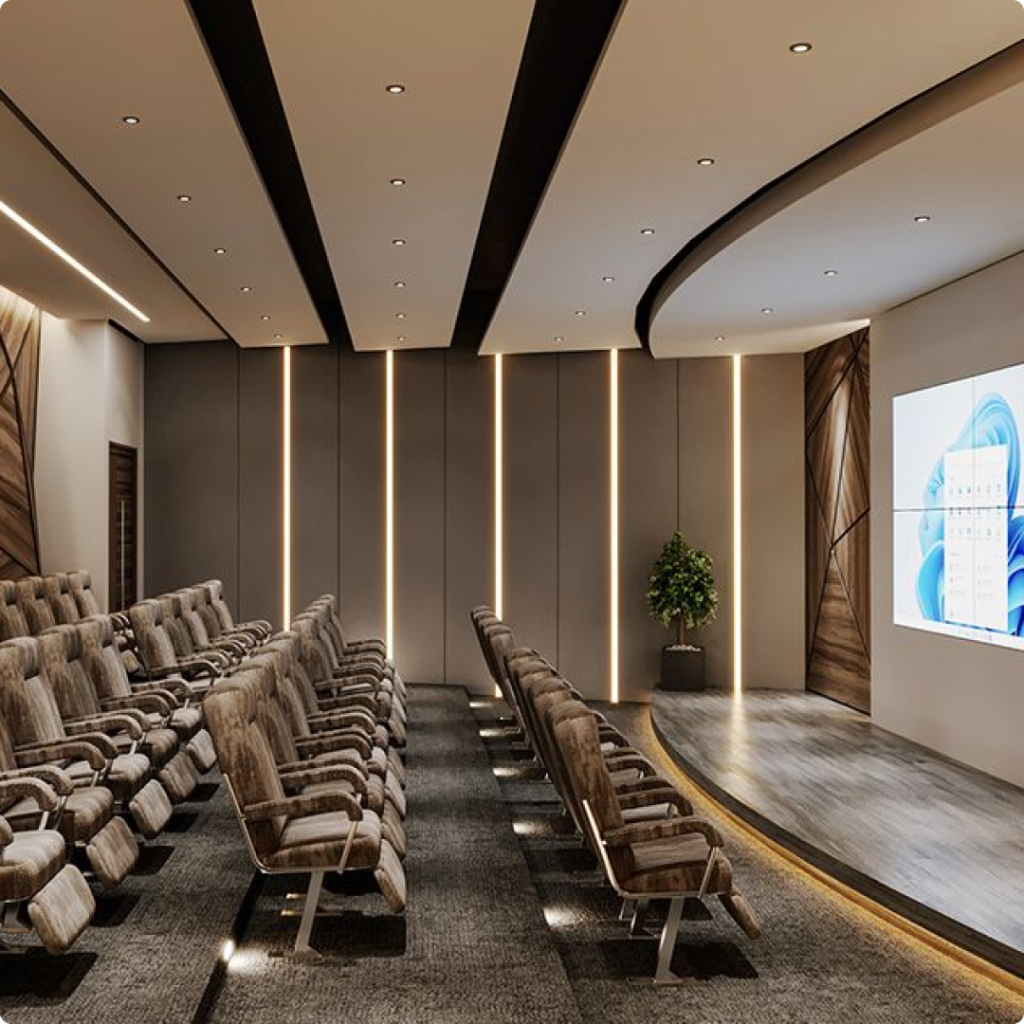
Designing classrooms and lecture halls requires a perfect balance of functionality, comfort, and engagement. As an Educational Interior Designer in Bangalore, we create learning spaces that enhance focus, improve interaction, and support modern teaching methods.
Our design approach focuses on optimizing seating layouts, lighting, acoustics, and visibility to ensure every student has a comfortable and distraction-free learning experience. From spacious lecture halls to compact classrooms, we ensure efficient space utilization without compromising comfort.
As the Best Educational Interior Designer in Bangalore, we incorporate ergonomic furniture, proper ventilation, and smart board placements to create highly functional and future-ready educational environments. Thoughtful zoning allows smooth movement for students and faculty while maintaining an organized structure.
We also emphasize ambient and task lighting, acoustic treatments, and modern aesthetics to create an inspiring atmosphere that promotes productivity and engagement. Each classroom and lecture hall is designed to support both traditional and digital learning experiences.
Our goal is to deliver well-planned, visually appealing, and performance-driven educational spaces that elevate the overall learning experience.
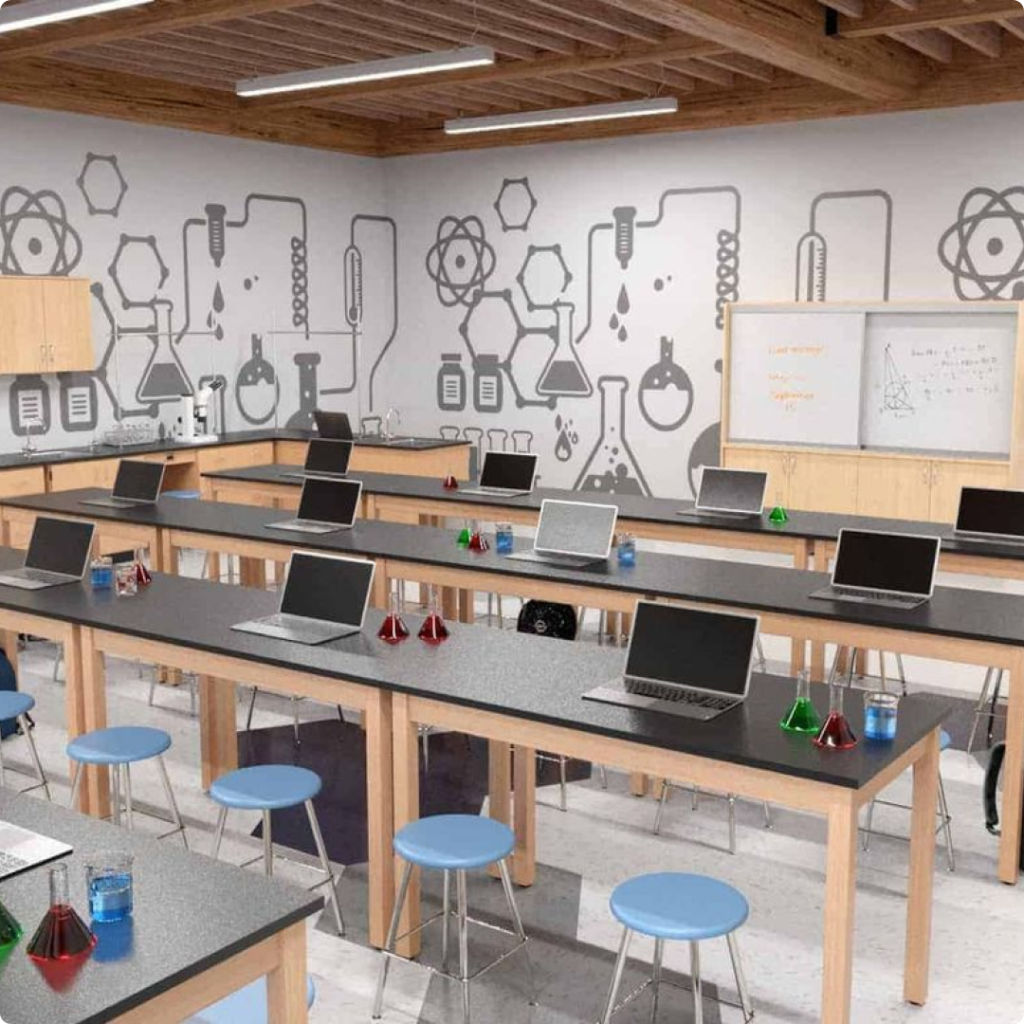
Laboratories and practical rooms require precise planning to ensure safety, efficiency, and seamless functionality. As an Institute Interior Designer in Bangalore, we design lab environments that support hands-on learning while maintaining high standards of organization and safety.
Our approach focuses on creating well-structured layouts that include designated workstations, equipment zones, storage areas, and clear circulation paths. This ensures smooth workflow for students and instructors while minimizing clutter and enhancing usability.
As the Best Institute Interior Designer in Bangalore, we prioritize ergonomic layouts, proper ventilation, durable materials, and safety compliance in every laboratory design. From science labs to technical training rooms, each space is tailored to meet specific academic and operational requirements.
We incorporate adequate lighting, easy-to-maintain surfaces, and efficient utility planning to create practical and long-lasting environments. Every laboratory and practical room is thoughtfully designed to balance functionality with a clean, professional aesthetic.
Our goal is to deliver well-organized, safe, and future-ready spaces that enhance practical learning experiences and support efficient day-to-day operations.
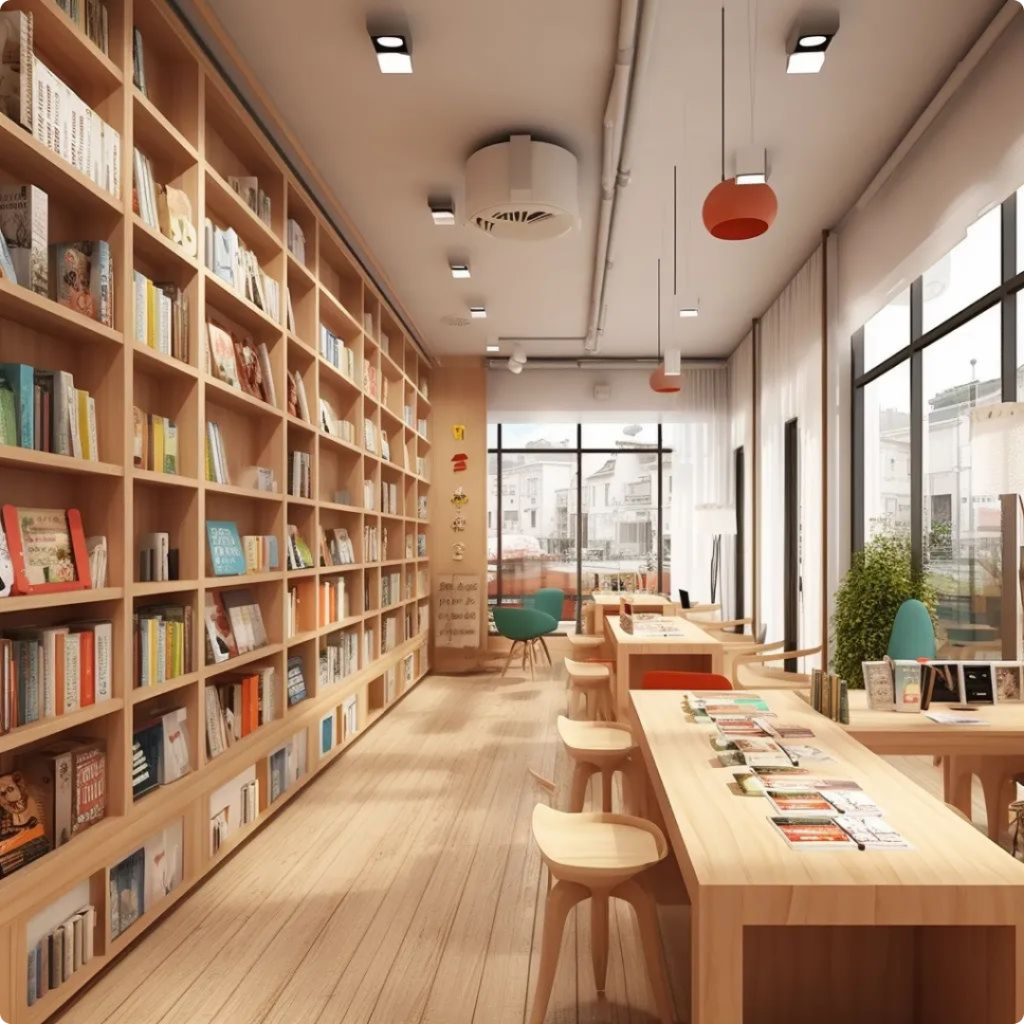
Libraries and resource centres are essential spaces that support learning, research, and knowledge sharing. As an Educational Interior Designer in Bangalore, we design environments that promote focus, comfort, and intellectual engagement.
Our design approach emphasizes creating well-organized layouts that include reading zones, book storage areas, digital resource sections, and quiet study spaces. Proper zoning ensures a calm and distraction-free atmosphere while allowing easy navigation and accessibility.
As the Best Educational Interior Designer in Bangalore, we focus on ergonomic seating, optimal lighting, and efficient space utilization to enhance user comfort during long study hours. We also incorporate modern elements such as digital access areas and collaborative spaces to support evolving learning needs.
Special attention is given to ambient lighting, acoustics, and material selection to create a peaceful and inviting environment. Every library and resource centre is thoughtfully designed to balance functionality with aesthetics, ensuring a structured and inspiring space.
Our goal is to create well-planned, visually appealing, and user-friendly environments that encourage learning, improve productivity, and elevate the overall educational experience.
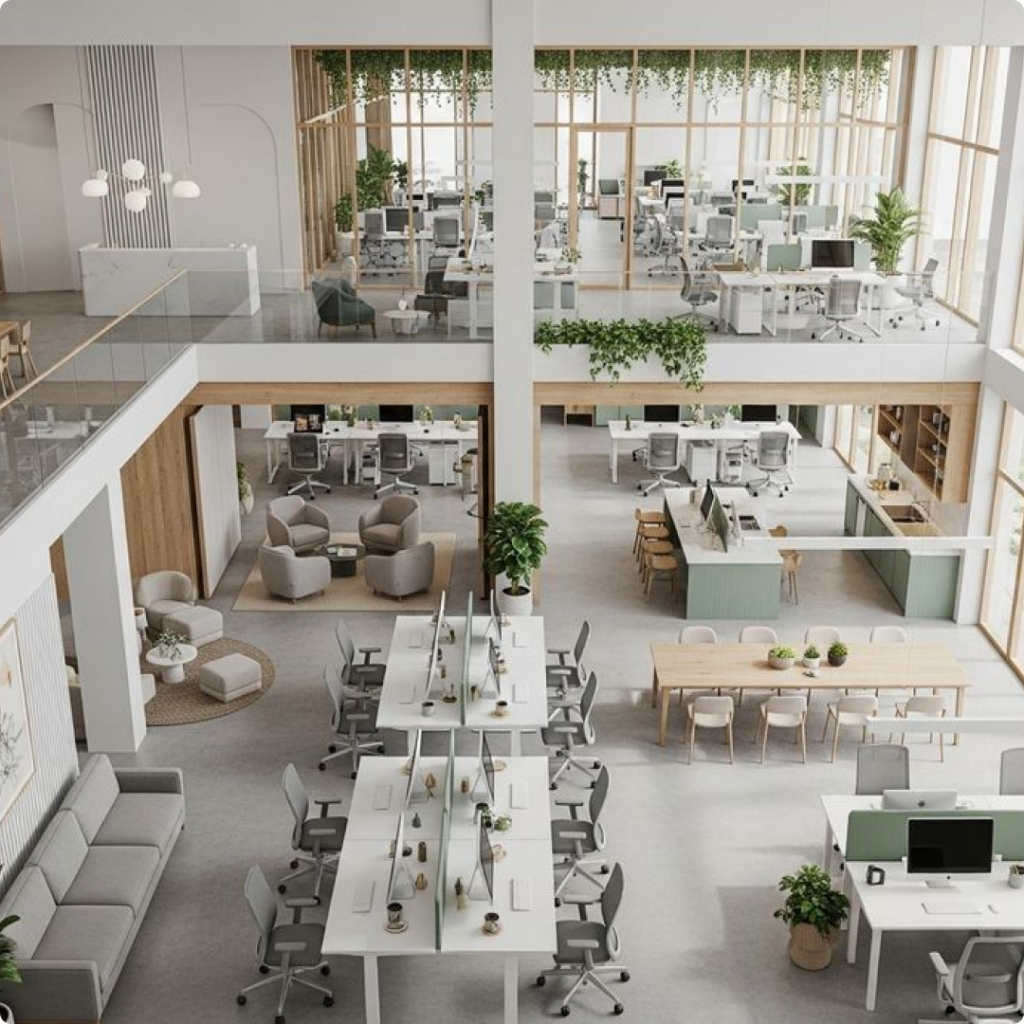
Administrative and staff areas are the backbone of any institute, requiring well-planned spaces that support productivity, organization, and seamless operations. As an Institute Interior Designer in Bangalore, we create functional environments that enhance workflow while maintaining a professional and organized atmosphere.
Our design approach focuses on structuring key zones such as reception desks, administrative offices, staff rooms, meeting areas, and storage spaces. Proper space planning ensures smooth communication, easy accessibility, and efficient day-to-day operations for staff and management.
As the Best Institute Interior Designer in Bangalore, we prioritize ergonomic furniture, smart storage solutions, and efficient layouts that improve comfort and productivity. Each space is designed to reduce clutter, enhance focus, and support a well-coordinated work environment.
We also incorporate adequate lighting, ventilation, and modern design elements to create a comfortable and welcoming atmosphere for both staff and visitors. Thoughtful planning ensures privacy where required while maintaining openness and connectivity within the workspace.
Our goal is to deliver well-organized, functional, and aesthetically balanced administrative spaces that support efficient operations and elevate the overall institutional experience.
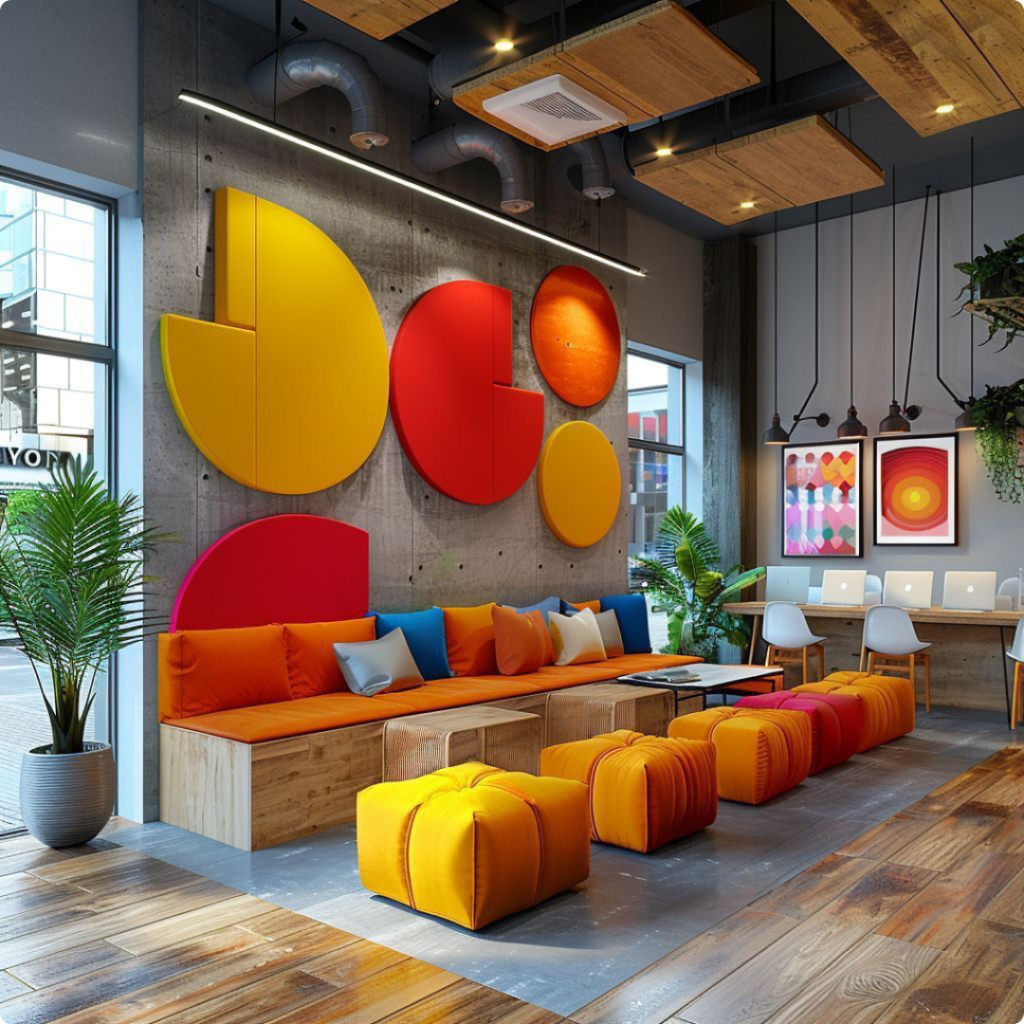
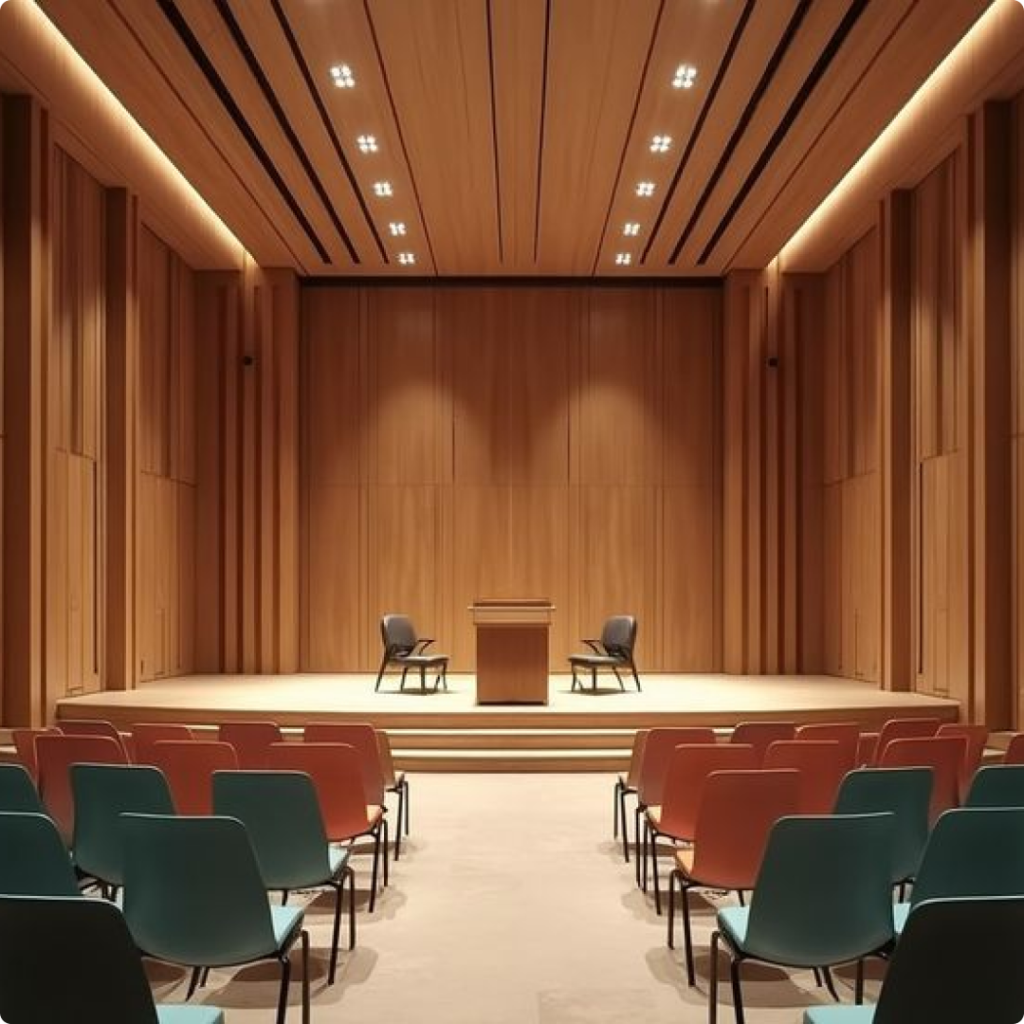
Seminar halls and auditoriums are essential spaces for presentations, events, and interactive learning sessions. As an Educational Interior Designer in Bangalore, we design these spaces to deliver comfort, clarity, and a seamless audience experience.
Our design approach focuses on optimizing seating layouts, stage visibility, acoustics, and circulation to ensure every attendee enjoys clear sightlines and excellent sound quality. From compact seminar rooms to large-scale auditoriums, we create layouts that maximize capacity without compromising comfort.
As the Best Educational Interior Designer in Bangalore, we incorporate ergonomic seating, advanced lighting systems, and acoustic treatments to enhance functionality and user experience. Each space is carefully planned to support presentations, lectures, workshops, and large gatherings efficiently.
We also integrate modern design elements such as stage backdrops, digital display areas, and controlled lighting to create a professional and engaging atmosphere. Proper ventilation, safety measures, and accessibility are key aspects of every design.
Our goal is to deliver well-structured, visually impressive, and performance-driven spaces that elevate communication, engagement, and the overall educational experience.
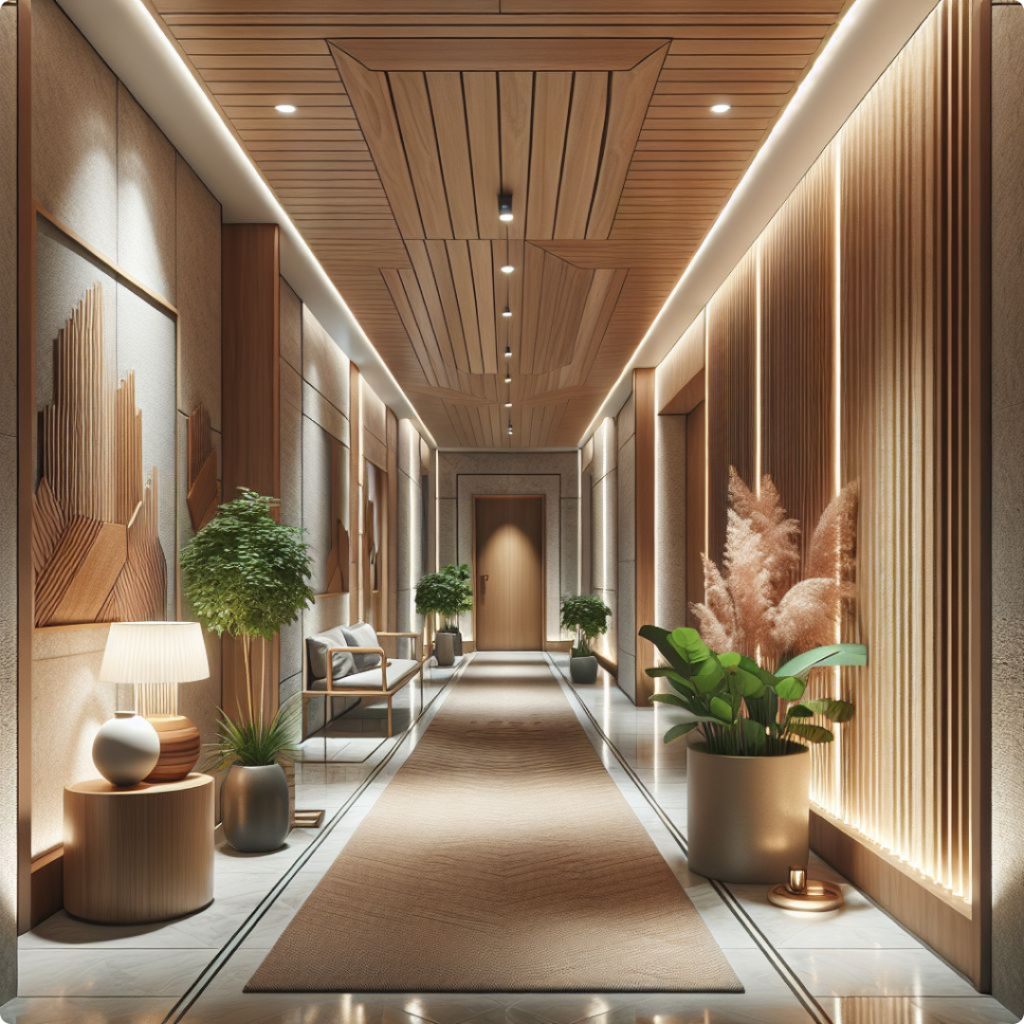
Corridors, common areas, and lobbies play a vital role in shaping the overall experience within an institute. As an Institute Interior Designer in Bangalore, we design these transitional spaces to be functional, welcoming, and visually appealing.
Our approach focuses on creating well-organized pathways that ensure smooth movement and easy navigation throughout the institute. Thoughtful zoning of common areas such as waiting spaces, informal interaction zones, and breakout areas helps encourage collaboration while maintaining order and accessibility.
As the Best Institute Interior Designer in Bangalore, we prioritize space optimization, proper lighting, and durable materials to handle high foot traffic while maintaining a clean and modern look. Each area is designed to reduce congestion, improve circulation, and enhance the overall flow of the space.
We incorporate aesthetic elements such as wall designs, branding features, and ambient lighting to create a vibrant and engaging environment. Comfortable seating, clear signage, and strategic layouts ensure a user-friendly experience for students, staff, and visitors.Our goal is to design well-structured, efficient, and visually impactful common spaces that enhance connectivity, improve user experience, and elevate the overall institutional environment.
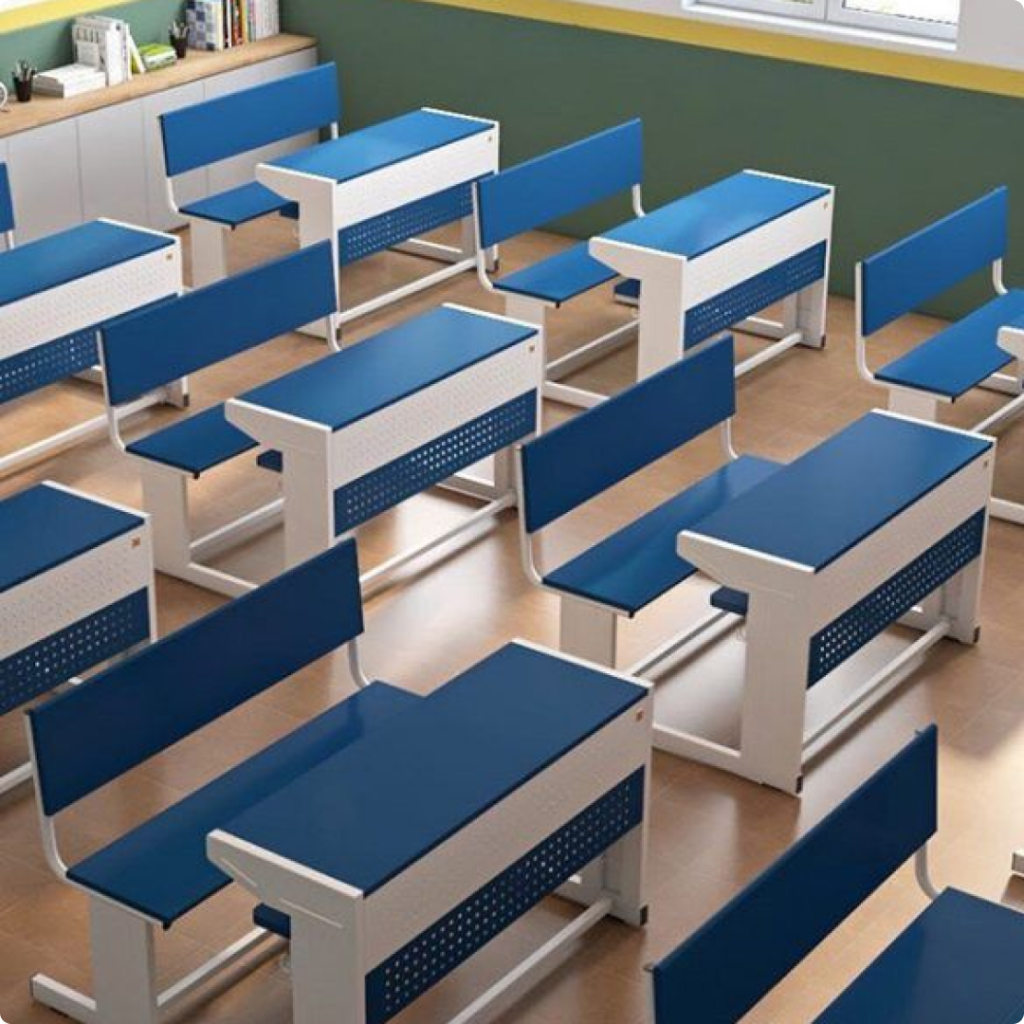
Furniture and fixtures are key elements in creating efficient, comfortable, and well-organized learning environments. As an Educational Interior Designer in Bangalore, we design and select furniture that enhances usability, supports daily activities, and complements the overall interior design.
Our approach focuses on choosing ergonomic, durable, and space-efficient furniture tailored to different educational spaces such as classrooms, labs, libraries, and administrative areas. Proper placement and layout of furniture ensure smooth movement, better interaction, and optimal space utilization.
As the Best Educational Interior Designer in Bangalore, we prioritize comfort, functionality, and long-term durability in every furniture solution. From modular desks and seating to storage units and custom fixtures, each element is designed to meet institutional needs while maintaining a cohesive look.
We also incorporate modern design elements, easy maintenance materials, and flexible furniture solutions that can adapt to changing requirements. Attention is given to safety, accessibility, and practicality to create a user-friendly environment for students and staff.Our goal is to deliver well-designed furniture and fixtures that enhance productivity, improve comfort, and contribute to a structured and aesthetically pleasing educational space.
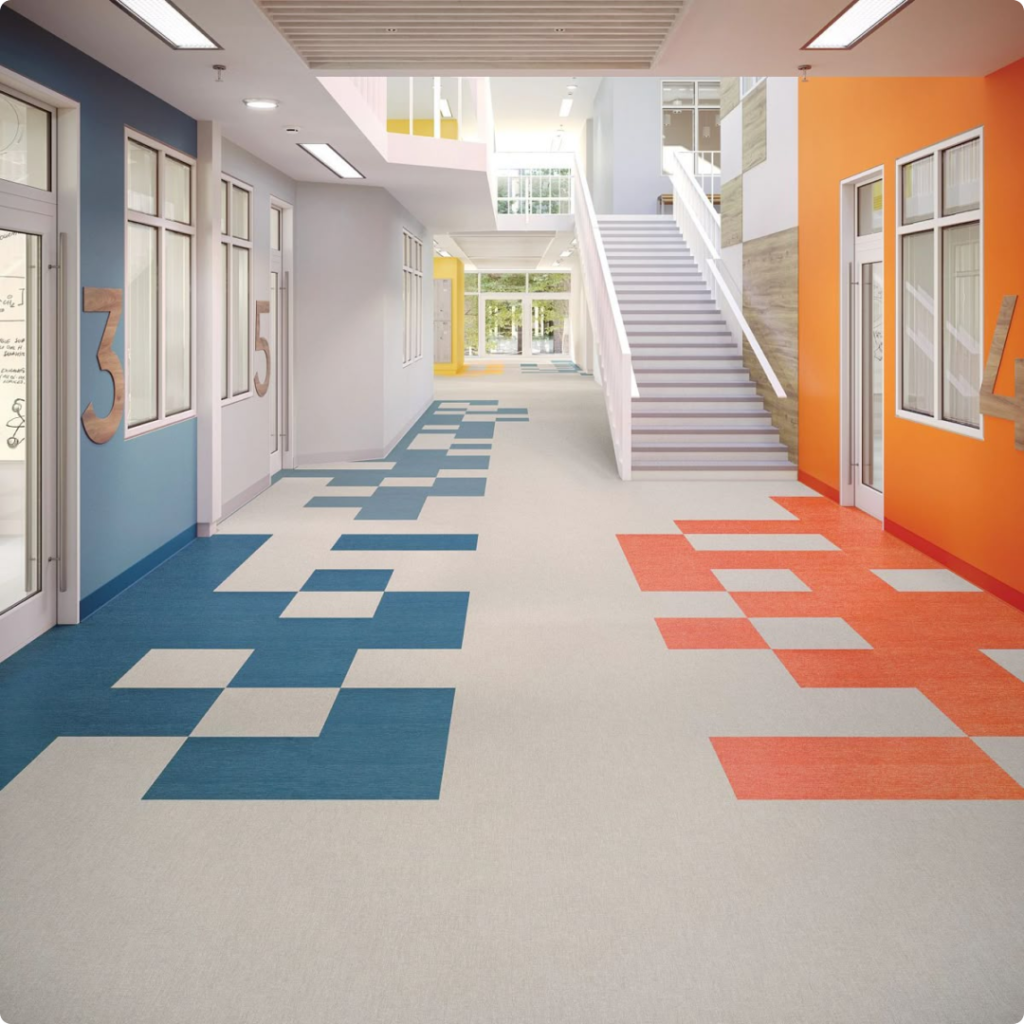
Flooring plays a crucial role in defining the functionality, safety, and overall aesthetics of an institute. As an Institute Interior Designer in Bangalore, we design flooring solutions that are durable, easy to maintain, and suitable for high-traffic educational environments.
Our approach focuses on selecting the right materials for different areas such as classrooms, laboratories, corridors, libraries, and administrative spaces. Each flooring type is chosen based on its durability, slip resistance, acoustic performance, and ease of maintenance.
As the Best Institute Interior Designer in Bangalore, we ensure that every flooring solution enhances both practicality and visual appeal. From tiles and vinyl to wooden and anti-skid surfaces, we create seamless flooring designs that support daily activities while maintaining a clean and professional look.
We also pay close attention to safety standards, noise reduction, and long-term performance to ensure a comfortable environment for students and staff. Proper installation and finishing techniques are applied to achieve a smooth, long-lasting, and high-quality result.
Our goal is to deliver well-planned, durable, and aesthetically balanced flooring solutions that enhance usability, safety, and the overall institutional experience.
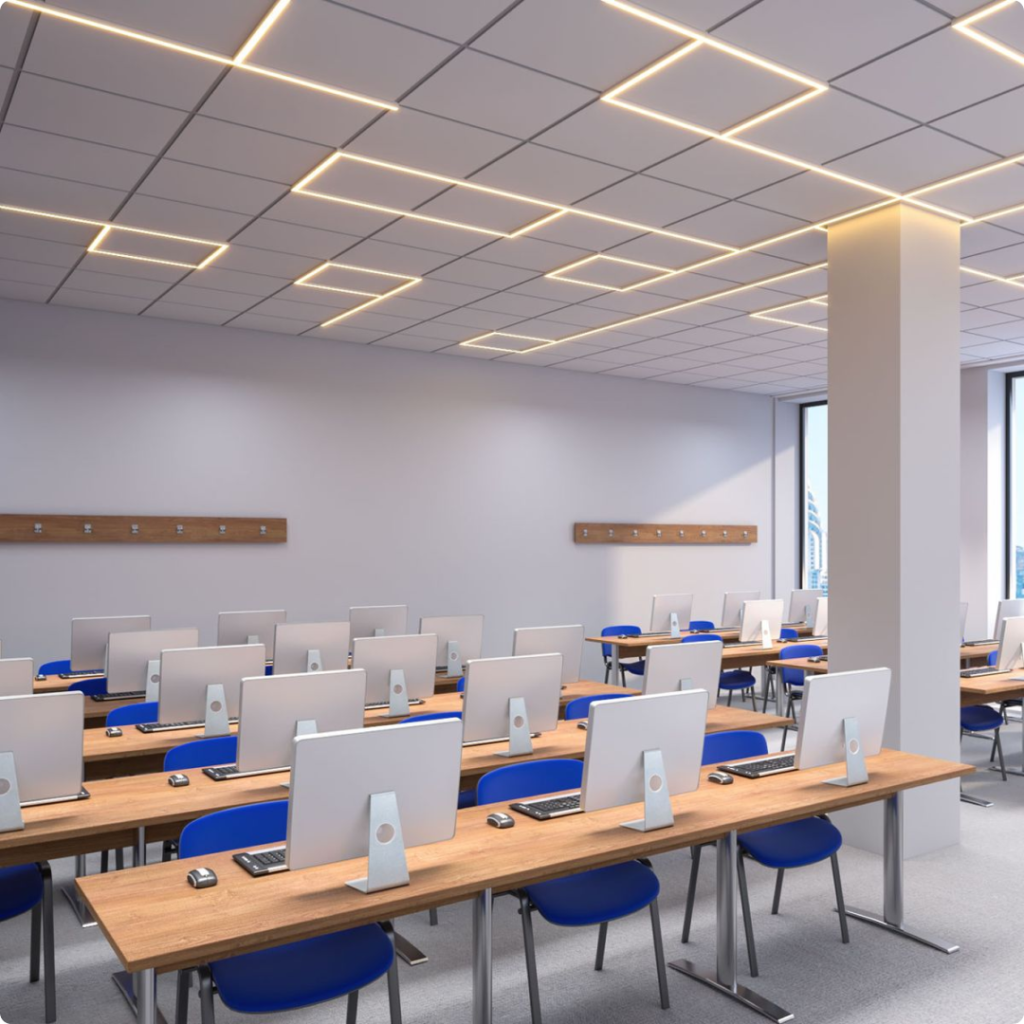
False ceilings and lighting are essential elements that enhance both the functionality and aesthetics of educational spaces. As an Educational Interior Designer in Bangalore, we design ceiling and lighting solutions that create comfortable, well-lit, and visually appealing environments for effective learning.
Our approach focuses on integrating false ceilings that improve acoustics, conceal wiring, and add a clean, structured look to the interiors. We design ceiling layouts that complement the overall space while ensuring proper ventilation and maintenance access.
As the Best Educational Interior Designer in Bangalore, we carefully plan lighting systems to provide the right balance of ambient, task, and accent lighting. This ensures optimal brightness in classrooms, labs, libraries, and common areas, reducing eye strain and enhancing concentration.
We incorporate energy-efficient lighting solutions, modern fixtures, and smart layouts to create a productive and inviting atmosphere. Special attention is given to uniform light distribution, glare control, and sustainability.
Our goal is to deliver well-designed false ceiling and lighting solutions that enhance comfort, improve functionality, and elevate the overall educational environment.
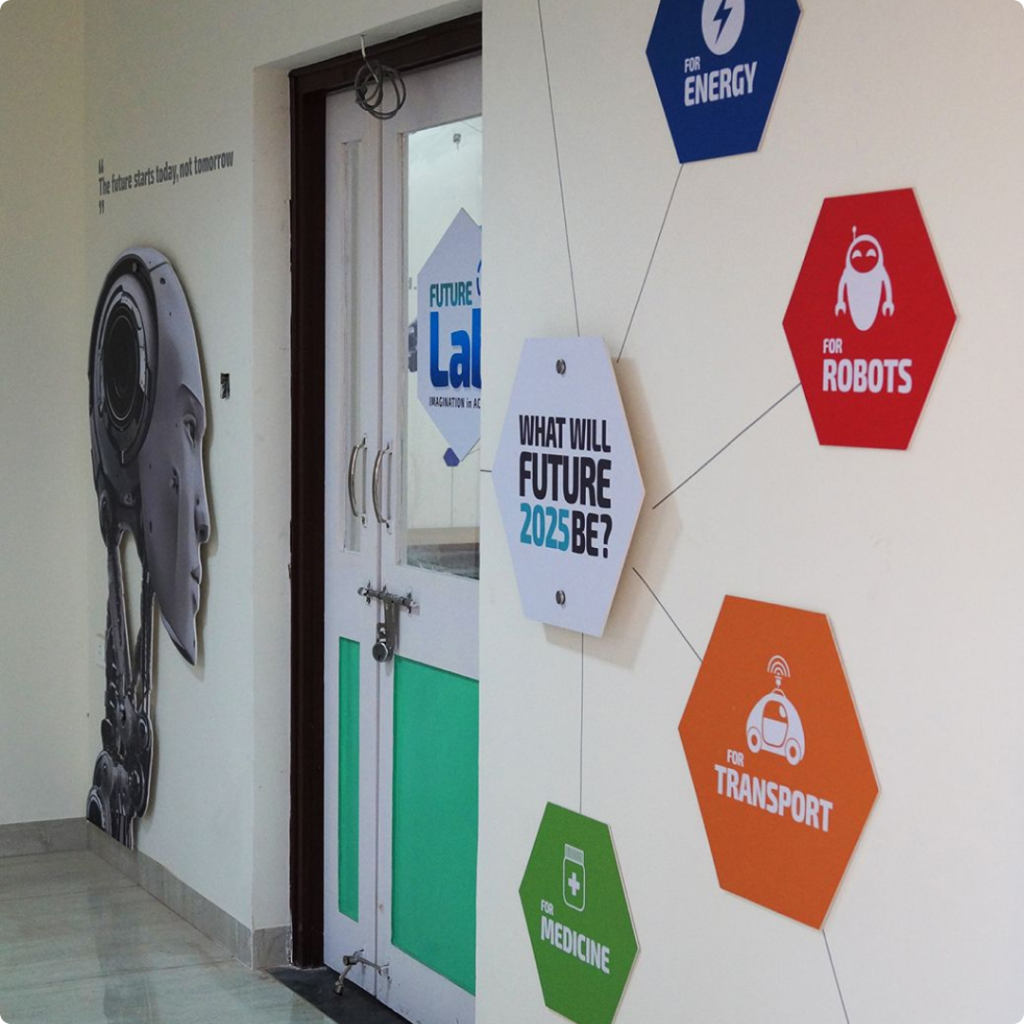
Wall finishes and branding play a vital role in defining the identity and visual appeal of an institute. As an Institute Interior Designer in Bangalore, we design walls that not only enhance aesthetics but also reflect the institution’s vision, values, and professionalism.
Our approach focuses on selecting the right materials, textures, and finishes for different areas such as classrooms, corridors, lobbies, and administrative spaces. From paint and laminates to wall panels and graphics, each element is chosen to create a clean, modern, and engaging environment.
As the Best Institute Interior Designer in Bangalore, we incorporate branding elements such as logos, color themes, motivational graphics, and wayfinding signage to create a strong and cohesive identity throughout the space. These elements help improve navigation, reinforce branding, and create a memorable experience for students and visitors.
We also ensure that all wall finishes are durable, easy to maintain, and suitable for high-traffic areas while maintaining a professional look. Attention to detail in textures, colors, and design patterns enhances the overall ambiance and visual consistency.
Our goal is to deliver well-designed wall finishes and impactful branding solutions that elevate the institute’s image, improve user experience, and create an inspiring and professional environment.
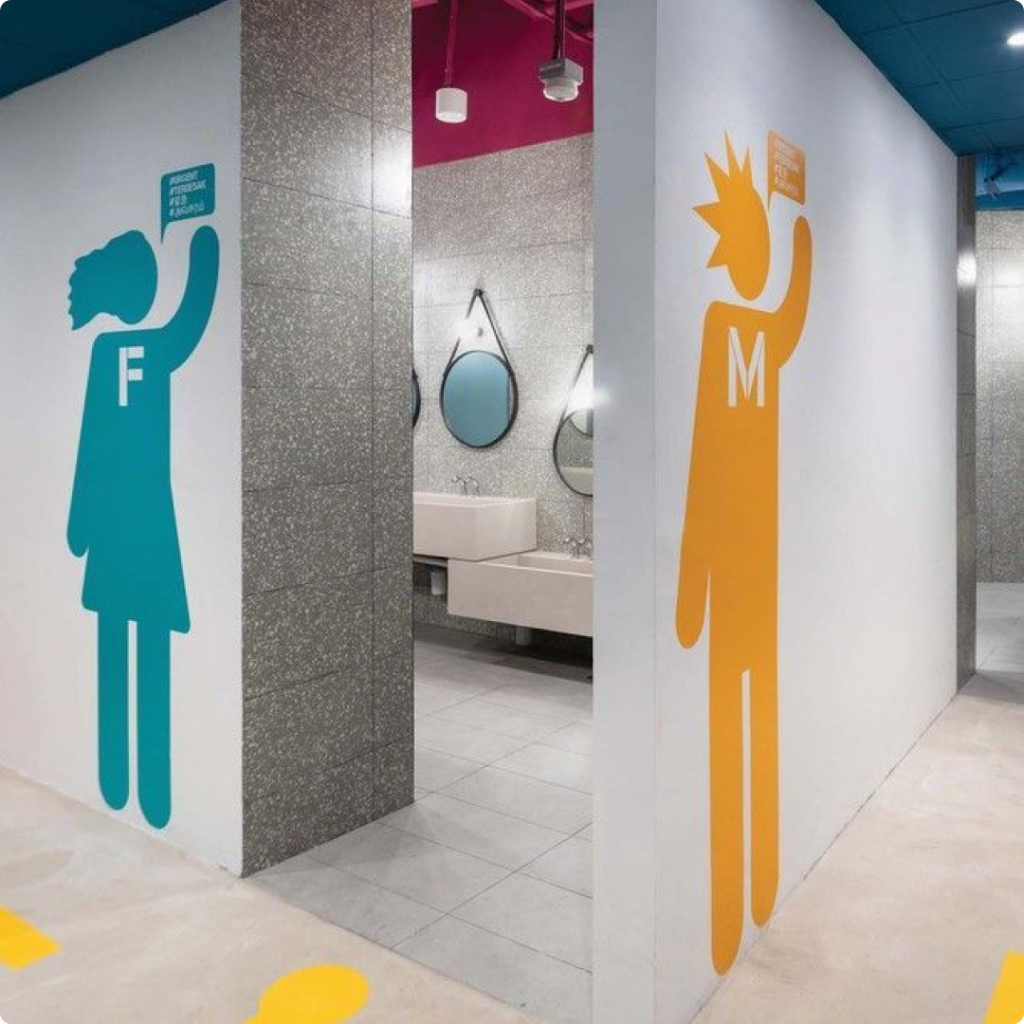
Washrooms and utility areas are essential spaces that require careful planning to ensure hygiene, durability, and ease of maintenance. As an Educational Interior Designer in Bangalore, we design these areas to be clean, functional, and user-friendly while meeting the highest standards of safety and sanitation.
Our approach focuses on efficient space planning, proper ventilation, and the use of high-quality, moisture-resistant materials. Well-organized layouts ensure smooth usage, easy accessibility, and minimal maintenance for both students and staff.
As the Best Educational Interior Designer in Bangalore, we prioritize durable fixtures, anti-skid flooring, and hygienic finishes that can withstand heavy daily usage. Utility areas are designed for efficient storage, housekeeping operations, and seamless workflow management.
We also incorporate adequate lighting, proper drainage systems, and modern fittings to enhance usability and comfort. Special attention is given to cleanliness, odor control, and long-term performance to maintain a healthy environment.
Our goal is to deliver well-planned, hygienic, and durable washrooms and utility spaces that support smooth operations and contribute to a safe and comfortable educational environment.
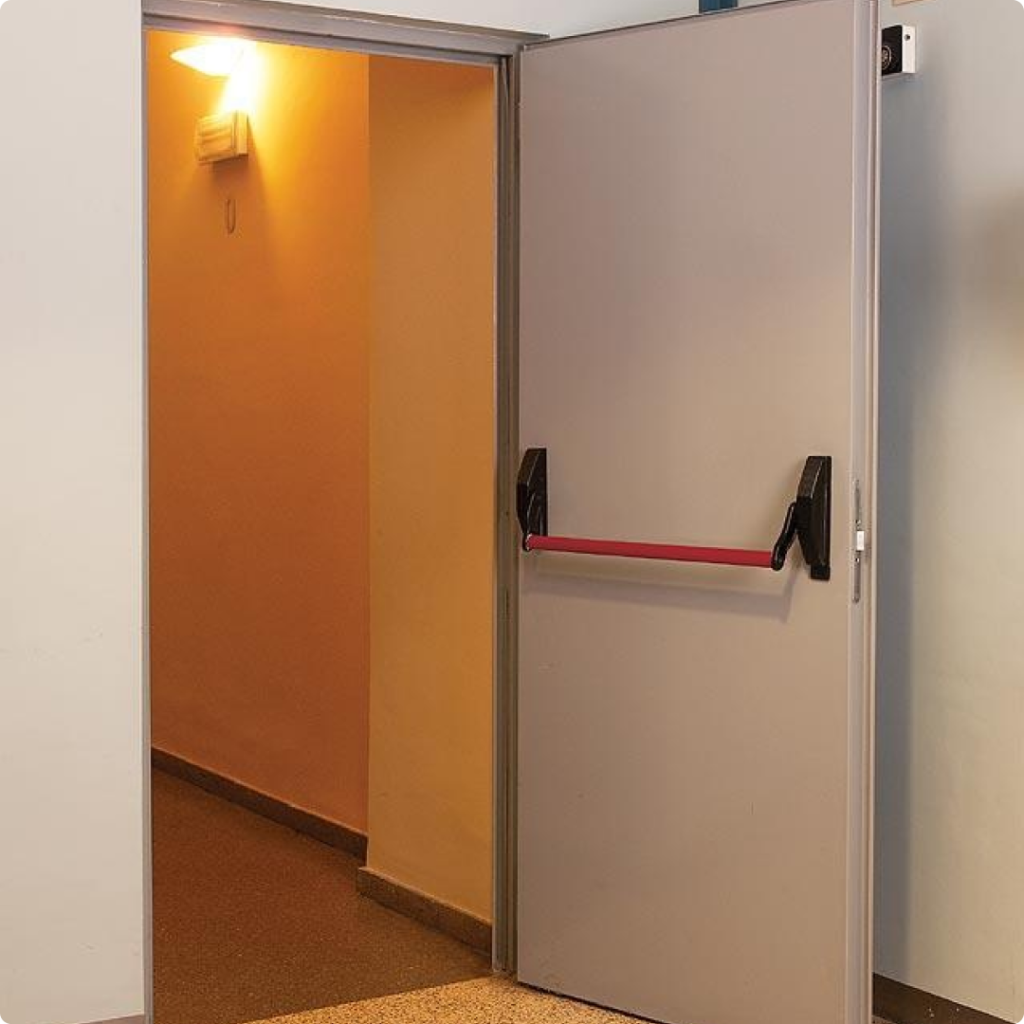
Safety and compliance are critical aspects of designing any educational institute, ensuring a secure and well-regulated environment for students, staff, and visitors. As an Institute Interior Designer in Bangalore, we prioritize safety standards and regulatory compliance in every stage of the design and execution process.
Our approach focuses on incorporating essential safety measures such as fire safety systems, emergency exits, proper signage, and clear evacuation routes. We ensure that all layouts are planned to provide easy accessibility, smooth circulation, and quick response in case of emergencies.
As the Best Institute Interior Designer in Bangalore, we design spaces that adhere to local building codes and safety regulations while maintaining functionality and aesthetics. From material selection to space planning, every element is carefully chosen to meet compliance standards and ensure long-term safety.
We also integrate features like anti-skid flooring, proper lighting, ventilation, and secure installations to minimize risks and enhance user confidence. Regular planning for maintenance access and safety checks is also considered in the design.
Our goal is to deliver safe, compliant, and well-structured environments that protect occupants, support smooth operations, and create a reliable and professional institutional space.
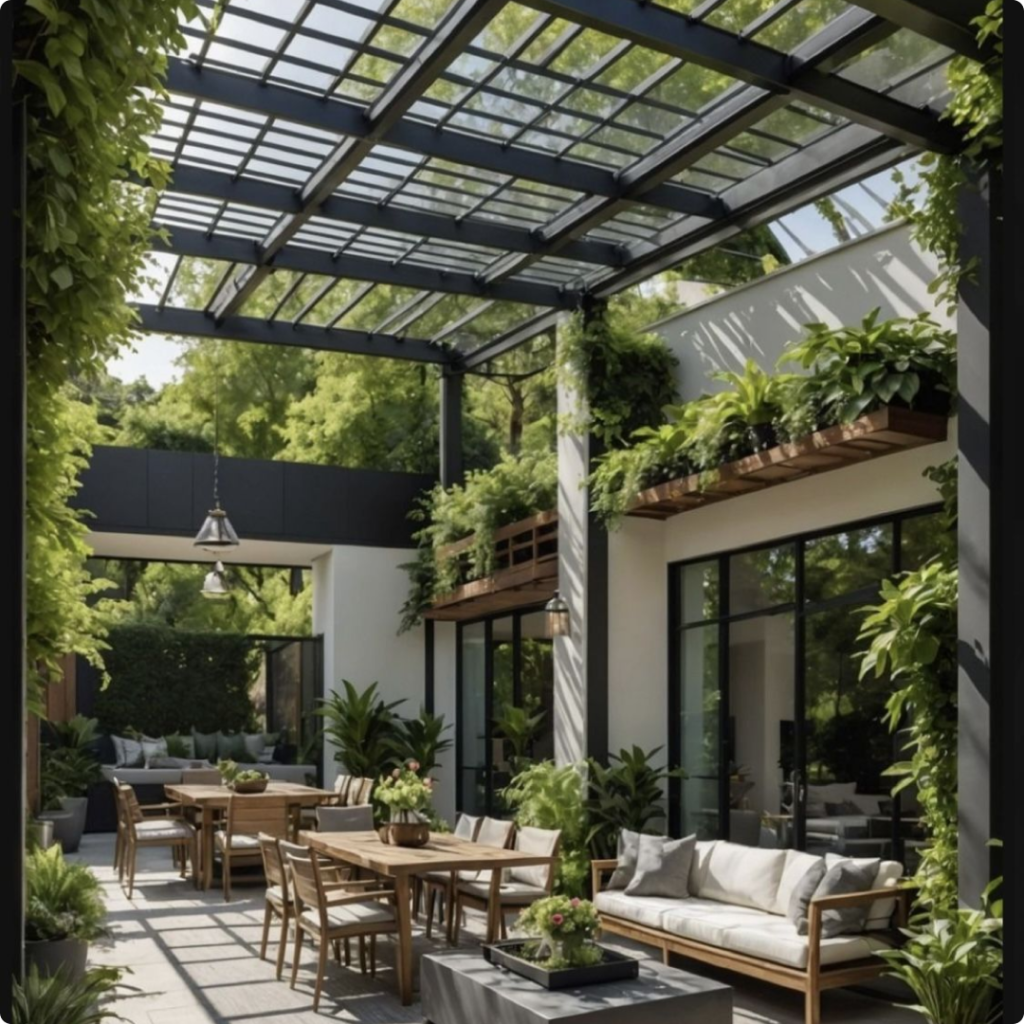
Outdoor and semi-indoor areas play an important role in creating a balanced and interactive learning environment. As an Educational Interior Designer in Bangalore, we design these spaces to be functional, refreshing, and conducive to both relaxation and informal learning.
Our approach focuses on developing well-planned areas such as courtyards, open seating zones, corridors, and breakout spaces that encourage interaction and collaboration. These spaces are designed to provide a comfortable transition between indoor environments while enhancing overall usability.
As the Best Educational Interior Designer in Bangalore, we incorporate durable materials, weather-resistant finishes, and ergonomic seating to ensure long-lasting performance in outdoor conditions. Proper shading, ventilation, and landscaping elements are carefully planned to create a pleasant and inviting atmosphere.
We also emphasize safety, accessibility, and efficient space utilization to ensure these areas are practical for everyday use. Thoughtful design elements such as greenery, natural lighting, and open layouts help create a stress-free and inspiring environment for students and staff.
Our goal is to deliver well-designed outdoor and semi-indoor spaces that enhance connectivity, promote engagement, and contribute to a holistic educational experience.
Institutional space designs focus on functional layouts, safety norms, durability, and efficient space planning for schools, colleges, training centres, and institutions.
Educational space design includes classroom layouts, labs, libraries, staff rooms, auditoriums, lighting, furniture planning, acoustics, and safe material selection.
Good educational design ensures student comfort, proper lighting, noise control, ergonomic furniture, and compliance with education standards. Majestic Decors follows these principles.
Schools, colleges, coaching centres, preschools, universities, skill centres, and training institutes benefit from professional institutional interior design services.
Educational interior design cost depends on size, furniture, materials, and customization. Majestic Decors provides cost-effective solutions based on project needs.
Professional designers ensure safe planning, long-lasting materials, efficient layouts, timely execution, and interiors that support learning and operational efficiency.
Please fill out the enquiry below and we will get back to you as soon as possible